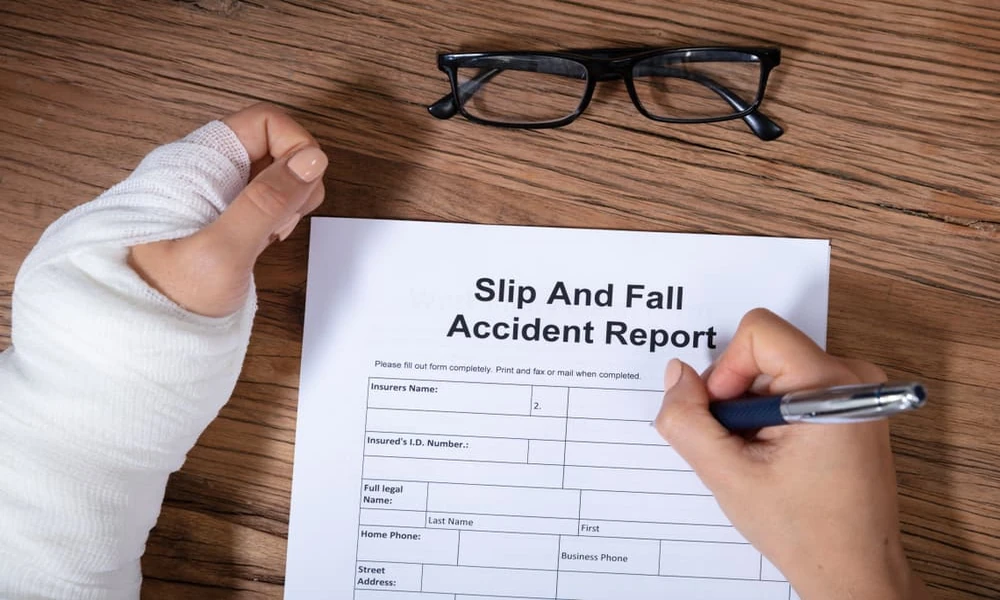
One moment you’re walking through a grocery store, an apartment complex, or a parking lot – the next, you’re on the ground with a shattered wrist, a torn knee, or a head injury. A slip and fall accident may sound minor, but falls are a leading cause of emergency room visits nationwide, and fall injuries like fractures, spinal damage, and concussions can require surgery and months of recovery. The critical legal question is always the same: when does the property owner have to pay? The answer lies in the law of premises liability.
What Is Premises Liability?
Premises liability is the legal doctrine holding property owners and occupiers responsible for injuries caused by unsafe conditions on their land. The core of every case is property owner negligence – proof that the owner failed to exercise reasonable care in maintaining the property or warning visitors about dangers.
The owner’s duty of care depends on why the visitor was there. An invitee – a customer in a store or a tenant’s guest in a common area – is owed the highest duty: the owner must inspect for hazards, repair them, and warn of dangers that can’t be fixed immediately. A licensee (social guest) is owed warnings about known dangers, while trespassers are generally owed only a duty not to be intentionally harmed, with special rules protecting children.
What Must an Injured Person Prove?
Winning a slip and fall case requires proving four things:
- A hazardous condition existed – a wet floor, broken stair, uneven pavement, poor lighting, loose carpet, ice, or spilled merchandise
- The owner had notice of danger – they either created the hazard, actually knew about it, or should have discovered it through reasonable inspections (“constructive notice”)
- The owner failed to fix the hazard or warn about it
- That failure caused the victim’s injuries and damages
Notice is usually the battleground. A puddle spilled seconds before your fall may not create liability, but a leak that dripped for hours – leaving track marks, dirt rings, or prior complaints – shows the owner should have known. Inspection logs, maintenance records, and employee testimony often decide this issue.
What Evidence Should You Gather After a Fall?
Evidence in fall cases vanishes fast. Floors get mopped, stairs get repaired, and video gets overwritten – sometimes within days. If you’re able:
- Photograph the hazardous condition, your footwear, and your injuries immediately
- Report the fall and insist on a written incident report, keeping a copy
- Collect names and contact information of witnesses
- Seek medical treatment the same day and follow all care instructions
- Preserve the shoes and clothing you were wearing
Your attorney can then send preservation letters demanding the owner retain surveillance footage, inspection records, and prior incident reports before they disappear.
How Do Owners Defend Slip and Fall Claims?
Defendants typically argue the hazard was “open and obvious,” that they had no notice, or that the victim wasn’t paying attention. Comparative fault rules matter enormously here, and they differ across the region: Florida reduces recovery by the victim’s fault and bars it above 51%, Georgia bars recovery at 50%, Mississippi’s pure comparative rule reduces but never eliminates the award, and Alabama’s harsh contributory negligence doctrine can wipe out recovery entirely if the victim was even slightly negligent. These defenses make skilled advocacy essential – an experienced slip and fall lawyer knows how to counter each one with evidence and expert testimony.
Deadlines apply, too. Fall victims generally have two years to file suit in Alabama, Florida, and Georgia, and three years in Mississippi – and missing the deadline destroys the claim no matter how strong it is, a consequence explained in this guide to the statute of limitations in Alabama for personal injury claims.
What Damages Can Slip and Fall Victims Recover?
Fall injuries are frequently more serious – and more expensive – than people assume. Hip fractures in older adults, torn rotator cuffs, herniated discs, traumatic brain injuries from striking the ground, and complex wrist fractures requiring hardware are all common outcomes. A properly developed premises liability claim can recover emergency and follow-up medical expenses, future treatment such as surgery and physical therapy, lost wages and reduced earning capacity, and non-economic damages for pain, suffering, and loss of enjoyment of life. For elderly victims, a single fall can trigger a cascade of health decline, and the claim’s value should reflect that reality rather than just the initial ER bill. Insurers often argue fall injuries are “degenerative” or pre-existing; consistent medical treatment, honest reporting of prior conditions, and physician testimony distinguishing new trauma from old wear-and-tear are the tools that defeat this defense and support full compensation.
Final Thoughts
A property owner is liable for a slip and fall accident when a hazardous condition they knew about – or should have discovered – injures a lawful visitor they failed to protect. Proving notice of danger, preserving surveillance footage, and documenting fall injuries quickly are what separate compensated victims from denied claims. If a preventable hazard put you on the ground, don’t let the owner’s insurer convince you it was your fault. Get medical care, secure the evidence, and let a premises liability attorney hold the negligent owner accountable.