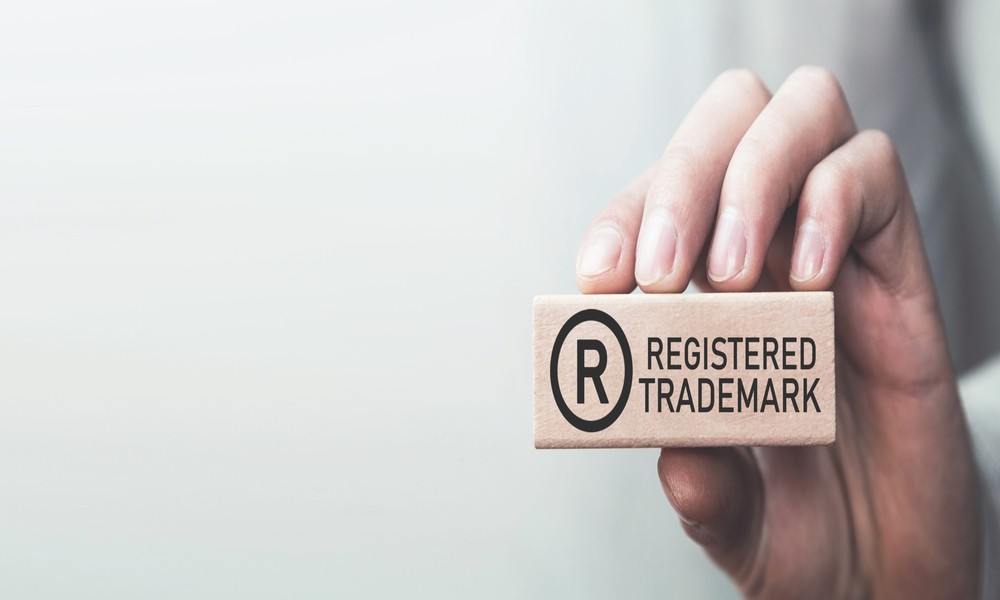
If you’ve put real work into building a brand – a business name, a logo, a tagline that customers recognize – the question of trademark registration will come up eventually. For many entrepreneurs in the Orlando area, it comes up after something goes wrong: a cease-and-desist letter, a conflict with a similar name, or a competitor operating in the same space with an uncomfortably familiar look. At Braslow Legal, these are conversations we have regularly with founders who waited longer than they should have.
The short answer to whether you need to register is: almost certainly yes. But understanding why – and what the process actually involves – is what helps you make the decision with confidence rather than anxiety.
What Common Law Rights Actually Give You (And What They Don’t)
Using a business name or logo in commerce does create something called common law trademark rights. These arise automatically, without any filing, the moment you start using the mark to identify your goods or services. A lot of business owners hear this and assume they’re covered. They’re not – at least not in any meaningful sense.
Common law protection is geographically limited to the area where you actually do business. If you run a bakery called Golden Crumb in Orlando, your common law rights extend to the Orlando market. But if someone in Tampa, or Chicago, or anywhere else starts using the same name, you have no legal standing to stop them – even if you were first. They could eventually expand into your territory and claim priority in their region, putting you in a genuinely difficult position.
Federal registration with the USPTO changes this entirely. A registered trademark creates nationwide priority from the date of filing, regardless of where you’re currently operating. That protection follows your business as it grows.
The Trademark Registration Process, Broken Down
The USPTO process starts with a clearance search – a thorough review of existing registered marks and common law uses to assess whether your mark is available. Skipping this step is one of the more expensive mistakes a business can make. Applying for a mark that’s already in use, or that’s confusingly similar to an existing one, costs you filing fees and months of time. More importantly, it can expose you to infringement liability even before your registration is denied.
Once you’ve confirmed the mark is clear, you file an application identifying the mark, the owner, and the specific classes of goods or services it covers. The USPTO uses an international classification system with 45 categories. Choosing the right classes matters – too narrow and you leave room for competitors in adjacent categories, too broad and you’re claiming rights you can’t defend.
After filing, the application goes to a USPTO examining attorney. This is where many applications run into problems.
USPTO Office Actions: What They Are and Why They Stall Registrations
An Office Action is a formal letter from the USPTO examiner raising objections to your application. They’re more common than most people expect – roughly 85% of applications receive at least one. Some are procedural (a technical issue with how the goods and services were described). Others are substantive and harder to resolve, particularly a likelihood of confusion refusal, which means the examiner believes your mark is too similar to an already-registered one.
You have three months to respond to an Office Action, with the option to pay for a three-month extension. Miss that deadline and the application goes abandoned. Respond poorly and the examiner will issue a final refusal. At that point, your options are an appeal to the Trademark Trial and Appeal Board or abandoning the application altogether.
A well-prepared response to an Office Action often makes the difference between registration and denial. That’s not something most business owners are equipped to handle alone, and it’s where working with an experienced trademark attorney from the start pays off.
The Real Risks of Operating Without a Registration
Beyond the geographic limitations of common law rights, going unregistered creates several practical vulnerabilities. You can’t record your mark with U.S. Customs to block counterfeit imports. You can’t use the ® symbol, which signals registered status and deters infringers. You lose access to federal court jurisdiction for infringement claims, which generally offers broader remedies and more leverage in disputes.
There’s also a timing problem. If a competitor registers a similar mark before you do, they can potentially force you to rebrand – even if you’ve been using your name longer in your local market. Rebranding costs money, disrupts customer relationships, and can take years to recover from. For a small business, it can be devastating.
For startups especially, investors and acquirers look closely at IP ownership. A business with registered trademarks is a cleaner, more defensible asset. One operating on assumed common law rights often faces due diligence complications that slow or kill deals.
When Should Orlando Entrepreneurs Actually File?
The practical answer is as early as you can – ideally before you launch publicly, while you’re still building the brand. If you haven’t used the mark in commerce yet, the USPTO allows what’s called an Intent-to-Use application, which establishes your priority date before you’ve made a single sale. You’ll need to file a Statement of Use once you do start using the mark, but the earlier filing date holds.
If you’re already operating, file soon. Every month you wait is a month during which someone else could file first, and the USPTO system is first-come-first-served on filing dates. It’s not about who thought of the name first.
Working with Braslow Legal on Trademark Protection
Trademark registration isn’t a one-time task. It requires monitoring – watching for conflicting applications, renewing registrations at the right intervals, and enforcing your rights when infringers appear. Brands that register and then go quiet often find their marks weakened or abandoned through inaction.
Braslow Legal works with Orlando entrepreneurs and small businesses at every stage of this process: from initial clearance searches and application strategy to Office Action responses and portfolio management. The goal is to build protection that scales with your business, not just check a box.
If you’ve been putting off trademark registration because it feels complicated or premature, it’s worth having a direct conversation about where your brand actually stands. A free initial consultation is a low-risk way to understand what you have, what you’re missing, and what it would take to fix it.
The Bottom Line
A trademark is one of the few business assets that can increase in value as your brand grows. An unregistered mark doesn’t do that – it sits in a gray area where your rights are limited, fragile, and difficult to enforce. For most Orlando entrepreneurs building something they plan to grow, federal registration isn’t optional. It’s foundational.
Reach out to Braslow Legal to schedule a consultation and find out what protecting your brand actually looks like in practice.